Many people searching for Paige Ramsey’s SBOLC graduation want to understand who she is, what the Army Signal Basic Officer Leader Course means, and why this milestone matters in a military career. Often, online sources mention the graduation but do not clearly explain the training, the officer’s role, or the importance of the achievement. This article explains the full story in a simple and clear way. It explores Paige Ramsey’s background, the purpose of SBOLC training, and how this accomplishment prepares her to serve in the U.S. Army Signal Corps. By understanding her journey, readers can see how leadership, training, and dedication shape modern military officers.
Who Is Paige Ramsey?
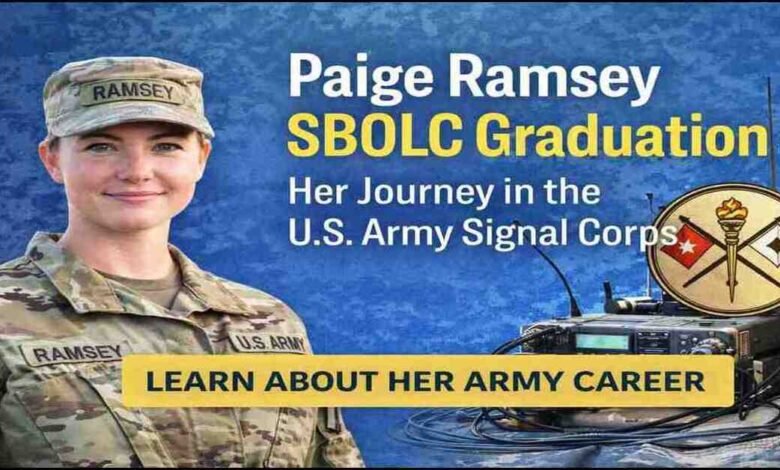
Paige Ramsey is a Second Lieutenant in the New Mexico National Guard. She began her military journey in 2021 when she joined the Guard. After completing the required education and officer training, she earned her commission as an officer in 2024. Becoming a commissioned officer requires strong commitment because it involves leadership responsibilities and advanced military training.
Before starting her military career, Ramsey graduated from Los Alamos High School in 2010. In her civilian life, she works at Los Alamos National Laboratory, which is known for its advanced research and technical work. This professional experience provides her with strong analytical and technical skills that are valuable in the field of military communications.
Her story reflects the path of many National Guard officers who balance civilian careers with military service. These officers often bring valuable professional experience into the military while also serving their communities and the country.
What Is the Army Signal Basic Officer Leader Course?
The Army Signal Basic Officer Leader Course, commonly known as SBOLC, is a specialized training program for newly commissioned signal officers. The course prepares officers to lead communication units and manage the technology that supports military operations.
Training takes place at Fort Eisenhower in Augusta, Georgia, which is home to the U.S. Army Signal School. The program usually lasts about four months and combines classroom learning with practical field exercises. Officers study network systems, communication equipment, cybersecurity basics, and leadership principles during the course.
The main goal of SBOLC is to prepare officers to maintain reliable communication systems during military operations. Modern military missions depend heavily on digital networks and secure communication channels. Because of this, signal officers play an essential role in ensuring that commanders and soldiers can stay connected during missions.
Where Did Paige Ramsey Graduate From SBOLC?
Paige Ramsey completed the Signal Basic Officer Leader Course on April 30, 2025, at Fort Eisenhower in Augusta, Georgia. This military installation is one of the most important centers for cyber, signal, and electronic warfare training in the United States Army.
Graduation from SBOLC is marked by a formal ceremony where officers are recognized for completing months of intensive training. Family members, instructors, and military leaders often attend the event to celebrate the achievement. Completing the program confirms that the officer is ready to take on leadership responsibilities within signal units.
Paige Ramsey’s Military Career Timeline
Paige Ramsey’s progress in the military shows steady dedication and development. After graduating from high school in 2010, she built her civilian career before joining the New Mexico National Guard in 2021. Her commitment and training eventually led to her commissioning as a Second Lieutenant in 2024.
The next major milestone came in 2025 when she completed SBOLC training at Fort Eisenhower. This step officially prepared her to lead communication teams and manage signal operations within the Army.
Why Is SBOLC Considered a Challenging Course?
The Signal Basic Officer Leader Course is widely known for its demanding training structure. Officers are expected to develop both technical and leadership skills during the program. The training environment pushes officers to solve problems quickly while working under pressure.
Participants learn how to manage communication networks, respond to technical failures, and coordinate with other military units. They also complete physical fitness activities and academic evaluations that test their knowledge and endurance.
The course focuses heavily on leadership development. Officers must demonstrate the ability to lead teams, make decisions in stressful situations, and maintain operational readiness. These skills are essential because communication systems are critical to military missions.
What Role Does a Signal Officer Play in the Army?
Signal officers are responsible for managing communication systems that support military operations. Their work ensures that information can move quickly and securely between commanders, soldiers, and support units.
In many situations, signal officers supervise teams that set up and maintain communication equipment in the field. They also oversee network security and make sure sensitive information is protected from cyber threats.
Because modern military operations rely heavily on digital communication, signal officers play a vital role in maintaining coordination between units. Without reliable communication systems, mission planning and execution would become extremely difficult.
How Does Her Civilian Career Support Her Military Role?
Paige Ramsey’s civilian work at Los Alamos National Laboratory gives her valuable experience with technical systems and problem-solving. Research environments often require careful analysis, attention to detail, and strong security awareness.
These skills translate well into military communications work. Officers who understand complex technical systems can often adapt more quickly to managing communication networks and digital infrastructure.
Many National Guard officers bring similar professional experience into their military roles. This combination of civilian expertise and military training strengthens the overall readiness of the Guard.
The Importance of Resilience in Military Training
Military training programs like SBOLC are designed to challenge officers both physically and mentally. Long training hours, academic requirements, and field exercises test an officer’s ability to stay focused and perform under pressure.
These challenges help develop qualities such as resilience, confidence, and discipline. Officers learn to handle responsibility and maintain leadership even in difficult situations.
For many graduates, the experience becomes a defining part of their leadership journey.
What Happens After SBOLC Graduation?
After completing SBOLC, officers begin active leadership roles within their assigned units. National Guard officers usually return to their home state units where they lead communication teams and participate in regular training.
They attend monthly drills, prepare communication systems for missions, and train soldiers in signal operations. In some cases, they may support emergency response missions within their states.
Signal units often play an important role during natural disasters by helping maintain communication networks between government agencies and emergency responders.
Public Interest in Her Achievement
The completion of SBOLC by Paige Ramsey has attracted attention from people who follow military leadership stories. Community members in New Mexico often celebrate the achievements of National Guard soldiers who serve their state and the nation.
Stories like this inspire many readers because they highlight dedication, service, and personal growth. Military career milestones often remind communities of the importance of leadership and commitment.
Final Thoughts
Paige Ramsey’s SBOLC graduation represents an important milestone in her career as a military officer. Completing the Signal Basic Officer Leader Course demonstrates that she has the leadership skills and technical training needed to serve in the U.S. Army Signal Corps.
Her journey from civilian professional to commissioned Army officer shows how dedication and training shape military leaders. As communication technology becomes more important in modern defense operations, officers trained in programs like SBOLC will continue to play a crucial role in supporting military missions.
You may also like: Renvoit com: Powerful Guide to Its Hidden Truth